
Viewing 171 - 180 out of 569
Article
Welcome to our Newsletter Library!
Here, you will find our collection of informative newsletters that cover a variety of important health and wellness topics. These complimentary newsletters are provided so that you may improve your understanding of chiropractic care and learn more about the fascinating abilities of our bodies!

Living With Your Pet
Travel by Bus or Train
Most states prohibit animals from riding on buses and similar regulations restrict travel on trains. Exceptions are made for guide and service dogs accompanying blind and disabled persons. Consult your local carriers in advance for information.
Choosing Your Pet
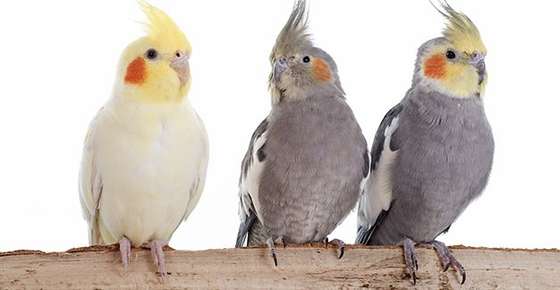
Cockatiels
Cockatiels are among the most popular pet birds. Small parrots with a variety of color patterns and a crest, they are attractive as well as friendly and easy to tame. Because of their small size, cockatiel care and taming is easier than some other parrot species. They are capable of mimicking speech,

Choosing Your Pet
Zebra Finches
In general, finches have an expected lifespan of anywhere from 5-15 years. The wide range here can probably be attributed to species differences as well as an increased understanding of their husbandry, especially diet. Zebra finches are arguably the most popular bird species found in the North American
Choosing Your Pet
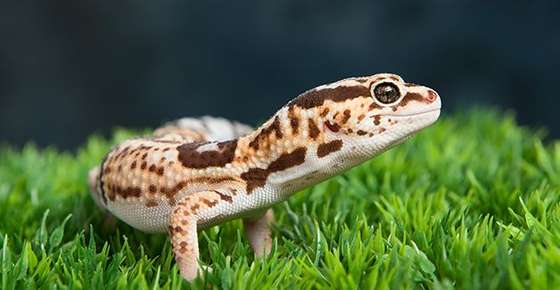
Leopard Geckos
The scientific name for leopard gekos is Eublepharis Macularius. They may live 20 or more years and grow to be approximately 8-10 inches long. Their common coloring is yellow and white with black spots (hatchlings start out striped, and gradually change to the spotted appearance). There are several color
Choosing Your Pet
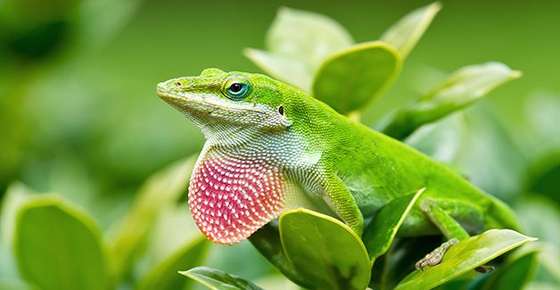
Green Anoles
Species: Anolis carolinensis. Sometimes also called American chameleons, although they are not true chameleons. They can do a color change from green to brown, especially when stressed. Quite readily available in the pet trade. Life span averages around 4 years, although they can live longer

Choosing Your Pet
Handling and Restraint
Improper handling may cause serious, life-threatening injuries. Fractures and dislocations of the back, most often resulting in paralysis of both rear legs, are the most common injuries. These injuries occur when rabbits are suddenly frightened and attempt to escape from a small enclosure. A rabbit's
Choosing Your Pet
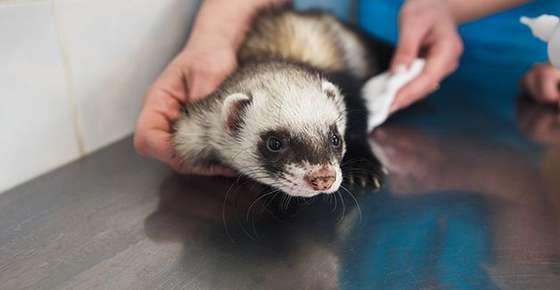
Ferret Health
You will need to take your ferret in to your veterinarian twice a year for a medical checkup and yearly vaccinations. Ferrets require yearly inoculations against canine distemper. They are highly susceptible to canine distemper and it is always fatal. Do not forget to inoculate against this every year!

Choosing Your Pet
Food and Housing
Food Feeding pet rabbits is easy because nutritionally complete and balanced commercial pelleted diets are readily available. One of these pelleted diets and fresh water are all a pet rabbit requires. The pellets should be offered at all times unless overeating and obesity have become problems. The pellets

Choosing Your Pet
Behavior and Training
Ferrets have powerful, distinct and engaging personalities, and a playful and fastidious nature. Ferrets are diurnal creatures with their periods of greatest activity just before sunrise and shortly after sunset. They sleep about eighteen to twenty hours of the day, waking up twice a day for very active

Choosing Your Pet
Food and Housing
Food Ferrets are exceptionally playful, so expect your ferret to tip over his food and water bowls. Check on them often, tape them down, or use an unspillable bowl. Rodent water bottles are not recommended as a ferret may damage his teeth on the spout. Because ferrets have such rapid metabolism, they
Page 1
Page 2
Page 3
Page 4
Page 5
Page 6
Page 7
Page 8
Page 9
Page 10
Page 11
Page 12
Page 13
Page 14
Page 15
Page 16
Page 17
Page 18
Page 19
Page 20
Page 21
Page 22
Page 23
Page 24
Page 25
Page 26
Page 27
Page 28
Page 29
Page 30
Page 31
Page 32
Page 33
Page 34
Page 35
Page 36
Page 37
Page 38
Page 39
Page 40
Page 41
Page 42
Page 43
Page 44
Page 45
Page 46
Page 47
Page 48
Page 49
Page 50
Page 51
Page 52
Page 53
Page 54
Page 55
Page 56
Page 57
Location
Find us on the map
Office Hours
Living Springs Veterinary Care
Testimonials
Reviews By Our Satisfied Clients