
Viewing 461 - 470 out of 569
Article
Welcome to our Newsletter Library!
Here, you will find our collection of informative newsletters that cover a variety of important health and wellness topics. These complimentary newsletters are provided so that you may improve your understanding of chiropractic care and learn more about the fascinating abilities of our bodies!
Newsletter Library
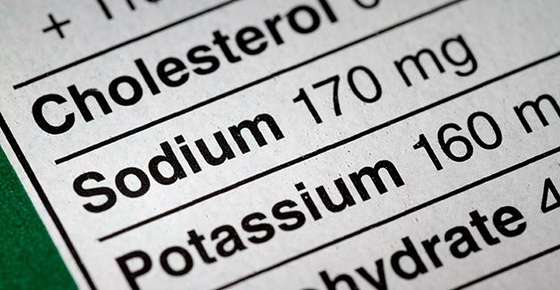
Foods to Avoid for Pets on Low Sodium Diets
Pets afflicted with heart failure or high blood pressure should not be fed salty foods, as they cause fluid to be retained in the body and make it harder for the heart to work. They also can lead to fluid developing in the lungs (pulmonary edema). Most commercial dog foods have a decent level of sodium,

Newsletter Library
Food Allergies
Food allergies occasionally occur in dogs and cats. They usually manifest themselves as itchy skin, ear infections, chronic vomiting, or diarrhea. If you suspect that your pet may have a food allergy, you can investigate by performing a food trial. There are three rules for a food trial: 1. Pick a new

Newsletter Library
Fitting Fiber into Fido's Food Bowl
Fiber is important because it helps dogs feel full, supports natural, healthy digestion and aids in moving material through their digestive tract. Is there fiber in your pet's food bowl with each meal? Does your pet need fiber, or more fiber? Grains like wheat, barley, corn and rice contribute small
Newsletter Library
Spring Hazards
Everyone looks forward to spring with its fresh air, colorful flowers, and sense of renewal. But there are many hazards associated with this season. We should always be on guard when it comes to our pets and potential dangers. Many areas of the country have a problem with snails; people often put snail

Newsletter Library
Six Tips for Keeping Your Dog Cool
Many areas of the world are seeing record high temperatures, which makes it even more important to ensure that your pets are kept cool. Veterinarians commonly see dogs with heat stroke, but most of these cases could easily have been averted with some easy precautions. The following six tips will help

Newsletter Library
Preparing Your Pet for the Winter
This winter, while you curl up next to the fire with a cozy blanket, a good book and some hot chocolate, don't forget about your pet! Winter can play it rough with your pet and you have to look out for his health and well-being. Here are some preparations you should make to help your pet prepare for
Newsletter Library
Prepare Your Pets for Halloween
Halloween is right around the corner! Whether you are planning on participating in the spookiest night of the year —Halloween — it is likely that people in your neighborhood are. This means that the streets will be filled with loud noises, new faces and all manner of things that can stress out your
Newsletter Library
Keeping Pets Cool This Summer
For humans, that means better beach days and much needed vacations, but for your animals, the warmer weather can be dangerous. Even the healthiest pets can suffer from dehydration and heat exhaustion, so it’s important to take proper precautions and protect your pets from overheating. By following

Newsletter Library
Holiday Hazards for Pets
The holidays are fun, even for pets, but the season brings added danger for animal companions. Learn to recognize and manage holiday hazards to keep your pet safe during the festivities. Tinsel Tinsel is attractive, especially to cats. Tinsel is not toxic but consuming tinsel can cause serious harm

Newsletter Library
New Uses for Animal DNA
Advances in science have enabled the decoding of several animals' DNA. Knowing the genome of a species has enabled medical professionals to detect some diseases that have a genetic basis. But it also has other uses, even in the criminal justice system. The Veterinary Genetics Laboratory Forensic Unit
Page 1
Page 2
Page 3
Page 4
Page 5
Page 6
Page 7
Page 8
Page 9
Page 10
Page 11
Page 12
Page 13
Page 14
Page 15
Page 16
Page 17
Page 18
Page 19
Page 20
Page 21
Page 22
Page 23
Page 24
Page 25
Page 26
Page 27
Page 28
Page 29
Page 30
Page 31
Page 32
Page 33
Page 34
Page 35
Page 36
Page 37
Page 38
Page 39
Page 40
Page 41
Page 42
Page 43
Page 44
Page 45
Page 46
Page 47
Page 48
Page 49
Page 50
Page 51
Page 52
Page 53
Page 54
Page 55
Page 56
Page 57
Location
Find us on the map
Office Hours
Living Springs Veterinary Care
Testimonials
Reviews By Our Satisfied Clients